
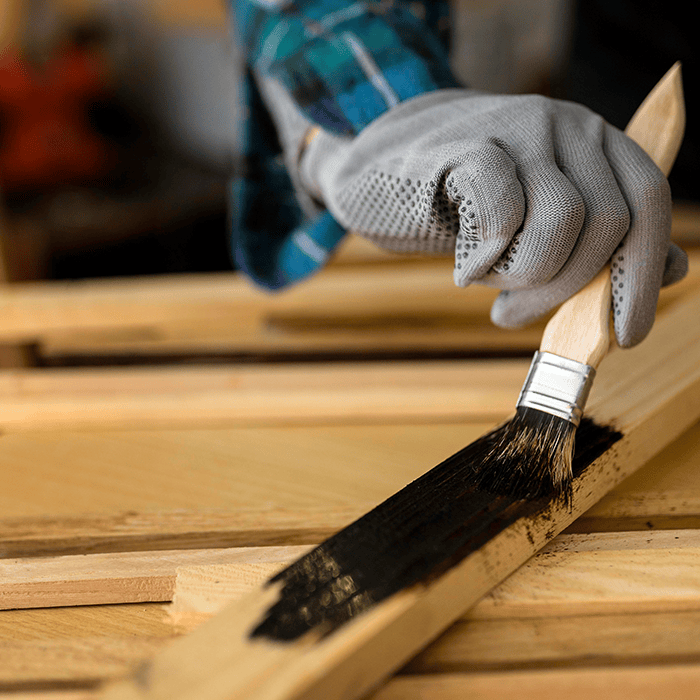
Wood is a material that enhances coziness, structure, and beauty to any interior or exterior space. Whether you’re looking for hardwood floors, cabinetry, paneling, or decking, it is crucial to refrain from warping and cracking. In a place such as NYC, where temperature changes greatly during the entire year, it is particularly important to consider wood movement.
This blog elaborates on the tips to protect your wooden furniture, interior, and exterior from rotting, warping, and cracking.
Why Leads to Wood Distortion?
Wood is a natural material that reacts to environmental conditions. It expands when absorbing moisture and shrinks when drying out. This movement causes stress, which leads to:
- Warping
- Surface cracks
- Deep structural splits
- Joint separation
- Cupping or crowning in flooring
Main Causes of Wood Movement
- Temperature fluctuations
- High or low humidity levels
- Poor acclimation before installation
- Incorrect fastening methods
- Low-quality or improperly dried lumber
- Direct exposure to moisture or sunlight
Tips To Prevent Warping In Wood Installation:
Implementing these tips and tricks prevents your home’s wooden built-in storage, furniture, and exteriors from deterioration while mitigating the entry of bugs and termites.
1. Use High-Quality Wood
Different wood species behave differently under stress. Here is the list of Stable Wood Species for Installations:
- White Oak
- Teak
- Maple
- Walnut
- Mahogany
Tip: Avoid highly reactive species like hickory in moisture-sensitive environments.
2. Regulate Indoor Humidity
Humidity management is critical. The ideal indoor temperature is 60°F – 75°F while the Relative Humidity should be 35% – 55%
Tools to Maintain Stability
- Whole-house humidifier
- Dehumidifier
- HVAC system
- Hygrometer for monitoring
3. Apply Protective Sealant Properly
Sealing protects wood from absorbing uneven moisture. Some of the finishing sealants are polyurethane, oil-based sealers, water-based sealers, and exterior-grade varnish for outdoor use.
Benefits of Sealing
- Reduces moisture absorption
- Minimizes surface cracking
- Improves longevity
- Enhances appearance
4. Prevent Moisture Contact
Water is wood’s biggest enemy. Here are some preventive measures to implement:
- Install vapor barriers
- Use waterproof underlayment
- Seal edges and joints
- Fix plumbing leaks immediately
- Ensure proper drainage outdoors
5. Use High-Strength Fasteners
Low-quality hardware contributes to wood stress.
- Use corrosion-resistant screws
- Avoid nails for high-movement areas
- Use flexible construction adhesive
- Pre-drill holes to prevent splitting
- Space fasteners evenly
6. Conduct Routine Inspections
Prevention does not stop after installation. Maintenance is also really important. Here are a few tips to consider:
- Monitor humidity year-round
- Clean spills immediately
- Reapply sealant when needed
- Inspect for early signs of movement
- Avoid dragging heavy furniture
7. Work With Experienced Professionals
Improper handling, storage, or installation is often the root cause of warping. Professional contractors follow the following:
- Test moisture levels
- Understand climate-specific challenges
- Use correct spacing and fastening
- Select appropriate wood species
- Follow local building standards
In large-scale commercial installations, precision planning makes the difference between long-term durability and premature failure.
Final Thoughts
Prevention of warping and cracking in wood installations can be achieved if the right materials are used, as well as the right techniques in installation and maintenance. Wood will always move, and that is its natural characteristic. The key is to manage it in a smart way.
FAQS
1. Why does wood warp after installation?
Wood deforms after installation as wood soaks in the water particles in the air caused by humidity. The expansion or misshaping of the wood is dependent on the amount of moisture in the air.
2. How long should wood acclimate before installation?
All wooden products take different times to adapt to climate conditions. Solid Hardwood takes about 7-14 days, synthetic wood takes up to 3-7 days, whereas lumber typically takes 5-10 days to adapt.
3. What humidity level prevents wood cracking?
The ideal humidity level that keeps the wood durable and safe is 35% to 55%. The wood can start cracking if the humidity level is below that range, and if the humidity level exceeds the ideal range, the wood starts to expand or misshape.
4. Can sealing wood prevent warping?
Yes, sealing wood prevents misshaping or warping as sealing properly from all sides prevents the excessive absorption of moisture, resulting in increased durability and health of wood.